
Recipe management software for restaurants, hotels and central kitchens
tSpoonLab turns dishes, sub-recipes and preparations into a structured operational manual, with ingredients, quantities, yields, costs, allergens, nutrition, photos, videos, preparation steps and version control connected across every location.
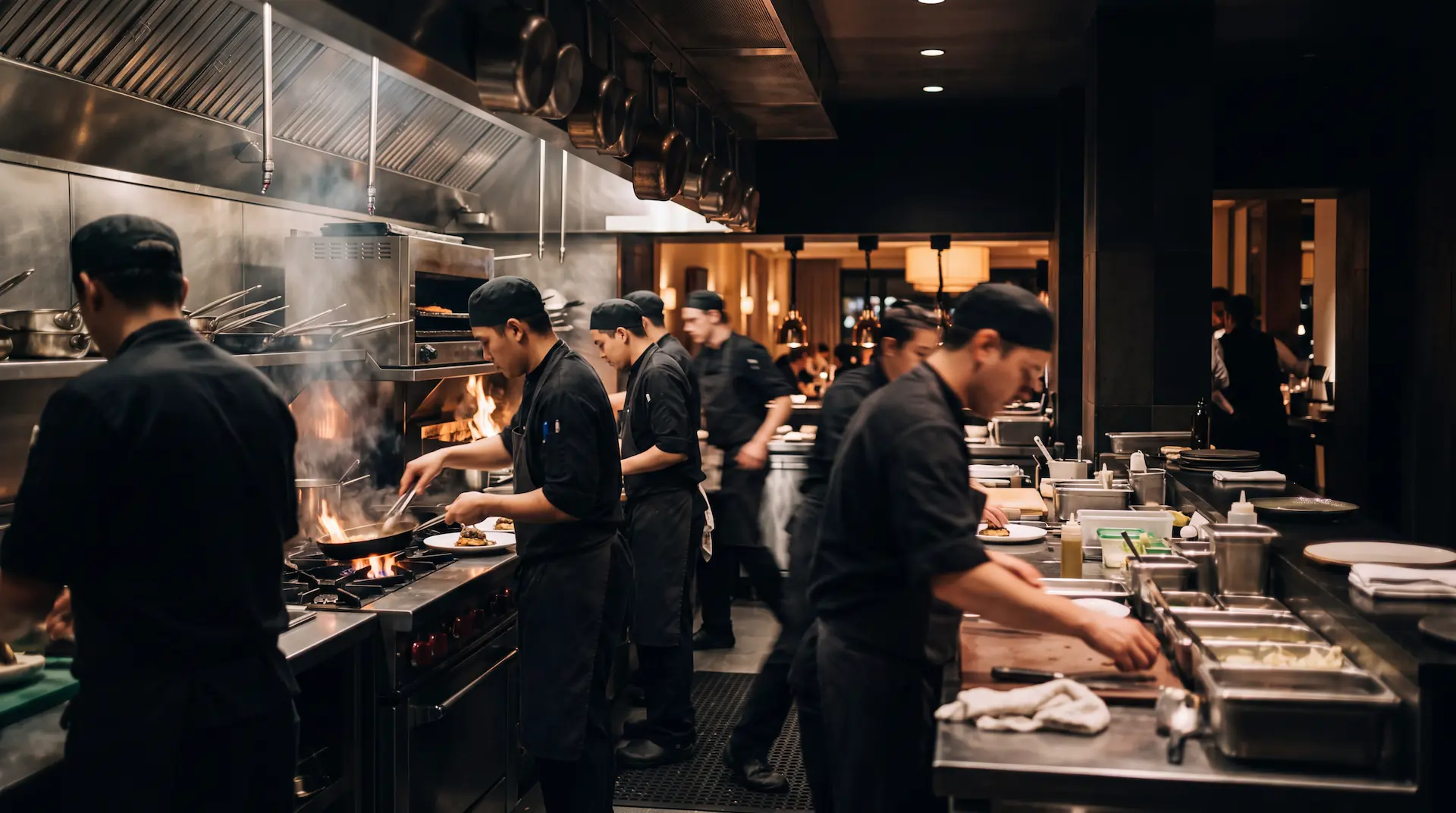
Why recipe standardization breaks at scale
The gap between kitchen reality and documented recipes
In a single restaurant, the head chef controls consistency. Across multiple locations, recipe drift becomes inevitable:
- Recipes exist in different formats, PDFs, notebooks, shared drives, chef memory
- Ingredient substitutions happen without updating cost calculations
- New locations launch with outdated or incomplete recipe sets
- Portion sizes vary because specifications aren't precise enough
- There's no single source of truth for what a dish should cost
Without structured recipe management, every additional location multiplies inconsistency, and the cost impact compounds silently.
From culinary knowledge to a standardized operating manual
A recipe in tSpoonLab is far more than a cost sheet. It's the complete operational reference for a dish, for kitchen, operations, quality and training alike. Each dish or preparation can hold everything a team needs to produce it consistently:
The dish stops being tribal knowledge in a chef's head and becomes a structured, shareable, versioned reference.
What a structured recipe includes
Core structure
Ingredients, quantities, units, conversions, yields, waste.
Execution
Steps, cooking times, photos, videos, plating/packing.
Control
Costs, allergens, nutrition, dietary options, labels, translations, version history.
Connections
Suppliers, purchase formats, production, purchasing.
Final dishes, intermediate preparations and ingredients, connected
A final dish can include intermediate preparations, sauces, bases, cuts, garnishes or packaging. Each component carries its own cost, allergens, nutrition, production process and supplier-linked ingredients. When one component changes, the system updates every dish that uses it.
Outcome:
Change a base sauce once, and every dish built on it updates its cost, allergens and nutrition automatically.
Step-by-step execution with photos, videos and standards
Each dish or preparation can include a complete step-by-step process: descriptions, quantities, cooking times, photos, videos, technical instructions, plating and packing references. Teams no longer depend on memory, old PDFs or verbal training, they work from a standardized visual process that can be updated from the master account.
This makes recipe management useful not only for costing, but also for training, quality control and new location openings.
Control your culinary offer from the master account
From a master account, your team can create and maintain the full culinary offer for the group, defining which dishes, recipes, preparations and standards each restaurant or business unit should use. Updates are controlled centrally, so every location knows what it should sell, how it should prepare it, and which version is active.
Outcome:
One master account defines the culinary offer; every unit executes the right version, the right way.
Allergens, nutrition and dietary options
- 14 major allergens tracked at ingredient and recipe level.
- Nutritional values calculated automatically from ingredient composition.
- Dietary classifications, vegan, vegetarian, gluten-free, kosher and others.
- Dietary classifications can be derived from the ingredients and components used in the recipe, reducing manual errors.
- When a recipe changes, allergen, nutrition and dietary data update instantly.
- Audit-ready documentation for health and safety inspections.
Outcome:
Compliance stops being a manual burden and becomes an automated output of structured recipe data.
Recipes as living cost models
tSpoonLab structures every recipe as an escandallo, a living cost model:
- Every ingredient defined with purchase unit, usable yield and waste factor.
- Sub-recipes nested within parent recipes with full cost inheritance.
- Costs recalculate automatically when supplier prices change.
- Theoretical cost per portion visible at recipe, menu and location level.
- Full version history, every change tracked and auditable.
Recipes are the foundation of food cost control. Food Cost Control uses this structure, together with purchasing, inventory and sales, to measure real cost, margin and variance.
Related
Connected to purchasing, production and central kitchens
Structured recipes are the connective layer of the operation:
- Production volumes × recipe ingredients generate exact purchasing needs (accounting for yields and waste).
- Central kitchen recipes define batch production with yield and portioning.
- Distribution to satellite locations tracked with transfer costs.
- End-to-end cost visibility from raw ingredient to plated dish.
Proven across complex operations
Trusted by multi-location groups and high-volume operators
tSpoonLab's recipe management infrastructure operates across some of the most demanding environments in hospitality:
- Multi-concept restaurant groups managing thousands of recipes across locations
- Central production kitchens standardizing batch recipes for distribution
- Hotel groups with diverse F&B outlets requiring unified recipe standards
- Theme parks and stadiums with high-volume, compliance-heavy operations
Frequently asked questions
Turn your culinary offer into an operational manual
If your operation needs structured recipes that standardize execution, training, compliance and cost across every location, let's talk.
Schedule discovery call